Programs & Classes |

Emergency Medical Services Professions

Offerings for Emergency Medical Services Professions:
AAS Degree Credit Certificates Continuing Education Certificate
This degree is designed to prepare you for employment in a specific career. In addition to general education requirements, specific technical or occupational curriculum is required for each program.

More
Our EMS credit certificates are designed to intially train the student as an emergency responder. Choose from two levels of certification.


More

The EMT Basic certificate offered through Continuing Education is a non-credit option that will provide the basic skills needed to become an emergency medical technician (EMT).

More


Offerings Available At:                                                  Some Courses offered at:
  • LSC-CyFair
  • LSC-Montgomery
  • LSC-North Harris
  • LSC-Kingwood
  • LSC-Tomball


The Emergency Medical Services Professions Program Has Additional Entrance Requirements.  The requirements may vary by campus, please see the EMS Department Web sites.

What do EMTs/Paramedics do?
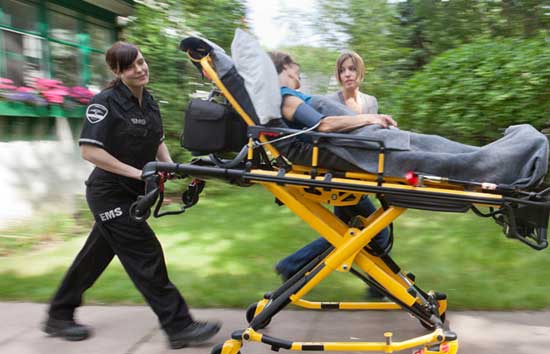
People's lives often depend on the quick reaction and competent care of emergency medical technicians (EMTs) and paramedics. EMTs and paramedics are trained to assess and begin treatment for those hurt or suffering from a life-threatening ailment that requires immediate medical attention. These professionals receive training in cardiac and respiratory resuscitation skills, traumatic injury care and assessment. They also learn how to care for difficulty breathing, heart attacks, severe bleeding, broken bones, and childbirth. Coursework is supplemented with clinical participation-hands-on training in a hospital or an emergency ambulance. There are distinct levels of training ranging from EMT-Basic to the most advanced paramedic. Once coursework is completed, students are eligible to take the National Registry of Emergency Medical Technicians (NREMT) exam for Texas certification.

Who Hires EMT's and Paramedics?

  • Ambulances (Private and Public)
  • Hospitals
  • 911 Dispatchers
  • Firefighting
  • Emergency Rooms
  • Camp counselors
  • First responders groups for companies
    in manufacturing and the oil business
  • Offshore oil rigs

Certification and Career Contact Information
For more EMT and paramedic certification and career information, visit the National Registry of Emergency Medical Technicians (NREMT), or the National Association of Emergency Medical Technicians. To find out more about the programs at the Lone Star College System campus nearest you, contact the Program Director.

What EMT/paramedic programs does Lone Star College offer?
There are four levels of Emergency Medical Services Professions (EMSP) training programs: an Associate of Applied Science degree, a Paramedic Certificate, an EMT Intermediate Certificate, and an EMT-Basic Course (which is a prerequisite for all of the advanced programs).

EMT and Paramedic At-A-Glance

  • The annual base salary for an EMT-Intermediate in this region is $37,500
  • The average annual salary for Paramedics in this region is $47,000
  • There are an average of 2,800 paramedic job openings a year in Texas
  • There will be a 28 percent increase in the need for EMTs and paramedics over the next 7 years in Texas
  • Many employers provide excellent benefits including medical insurance and paid vacation
  • Many jobs offer a flexible schedule (working a certain number of days a week), as well as overtime, which pays time-and-a-half


For more information please visit our Emergency Medical Services Department.

future students  Ready to apply to Lone Star College?  Our Enrollment Guide will prepare you for the application process.
Current Students  Ready to register for credit courses?  Register now 
Continuing Education Students  Apply and register anytime for most courses.  Register now
preload menu background image